
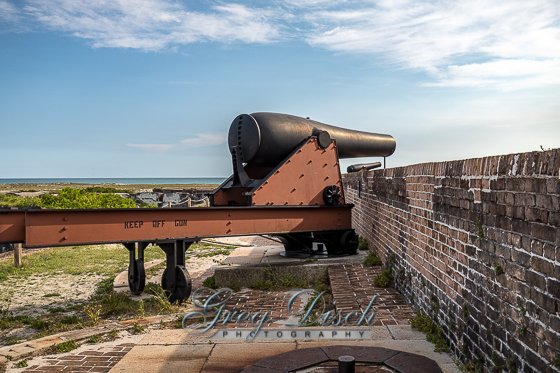
Fort Pickens

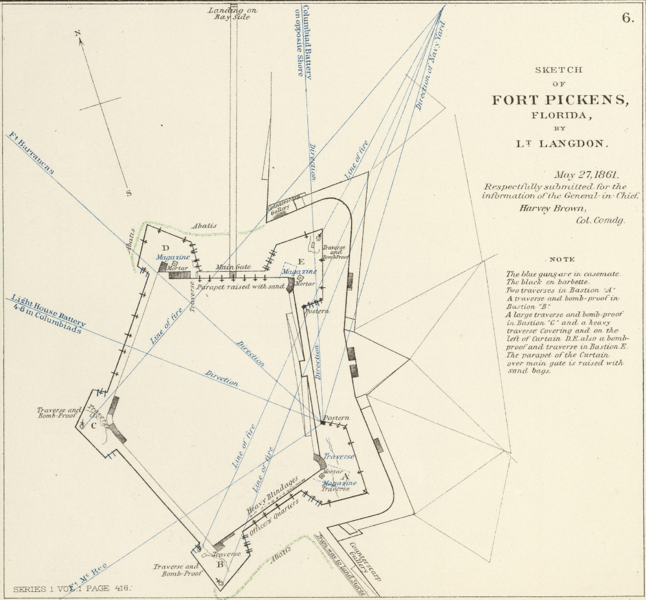
Fort Pickens is a pentagonal historic United States military fort on Santa Rosa Island in the Pensacola, Florida, area. It is named after American Revolutionary War hero Andrew Pickens. The fort was completed in 1834 and remained in use until 1947. Fort Pickens is included within the Gulf Islands National Seashore, and as such, is administered by the National Park Service.
After the War of 1812, the United States decided to fortify all of its major ports. French engineer Simon Bernard was appointed to design Fort Pickens. Construction lasted from 1829 to 1834, with 21.5 million bricks being used to build it. Much of the construction was done by slaves. Its construction was supervised by Colonel William H. Chase of the U.S. Army Corps of Engineers. During the American Civil War, he sided with the Confederacy and was appointed to command Florida’s troops.
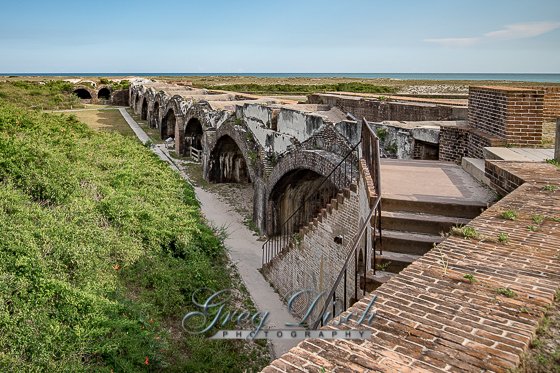
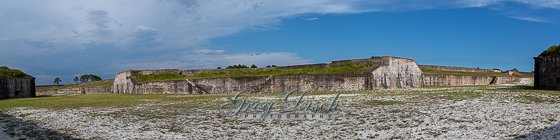
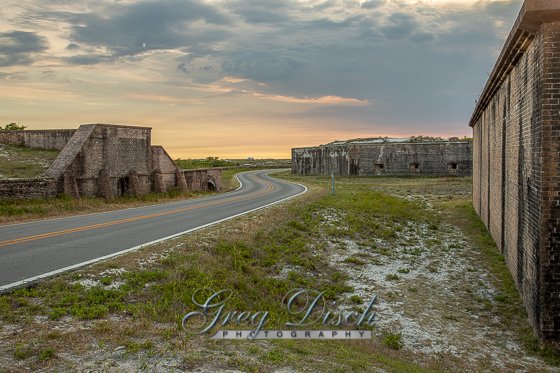
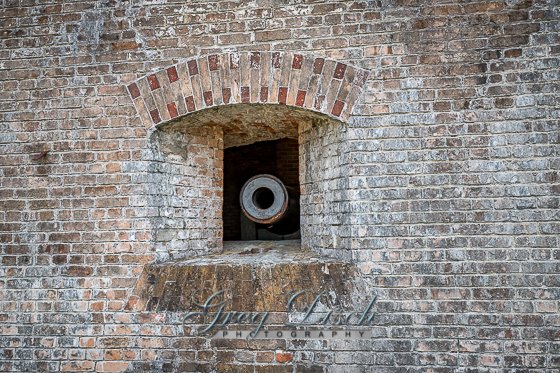
With its completion, Fort Pickens became the largest brick structure on the Gulf of Mexico. It exhibited the latest technologies in coastal defense design, construction, and weaponry. Fort Pickens was a mark of the growing power of the United States, and as a part of the Third System, it helped make America virtually impregnable, for a time.
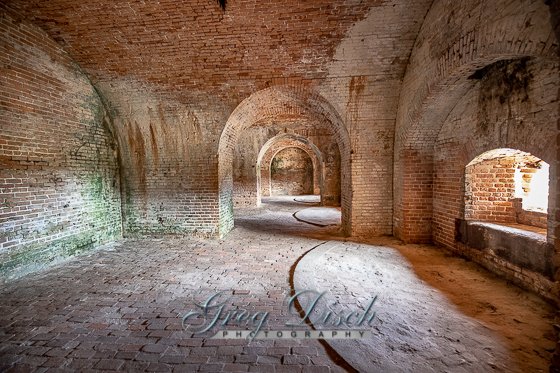
What to Photograph:
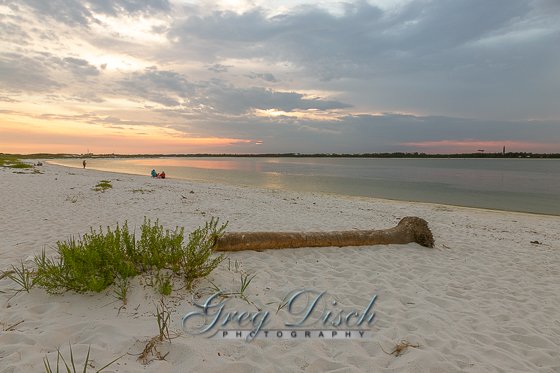
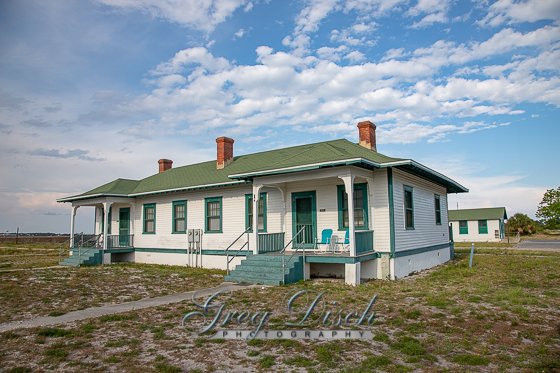
There is still a great deal of the old fort that is intact and open to the public and makes an excellent photographic subject. In addition is the beach and Gulf of Mexico on one side and Pensacola bay on the other. There are a large number of Osprey nesting and in the morning and evening can be seen eating fish in the trees.
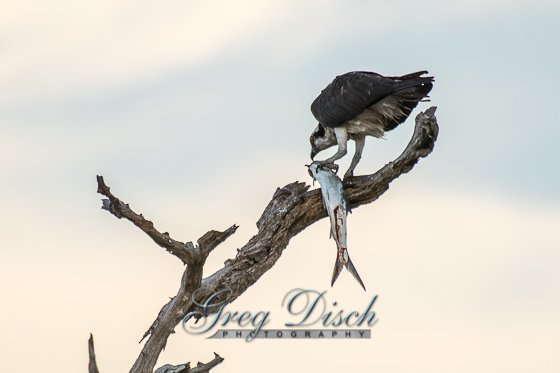
Osprey eating fish at Fort Pickens in the Gulf Islands National Seashore.
Where it is:
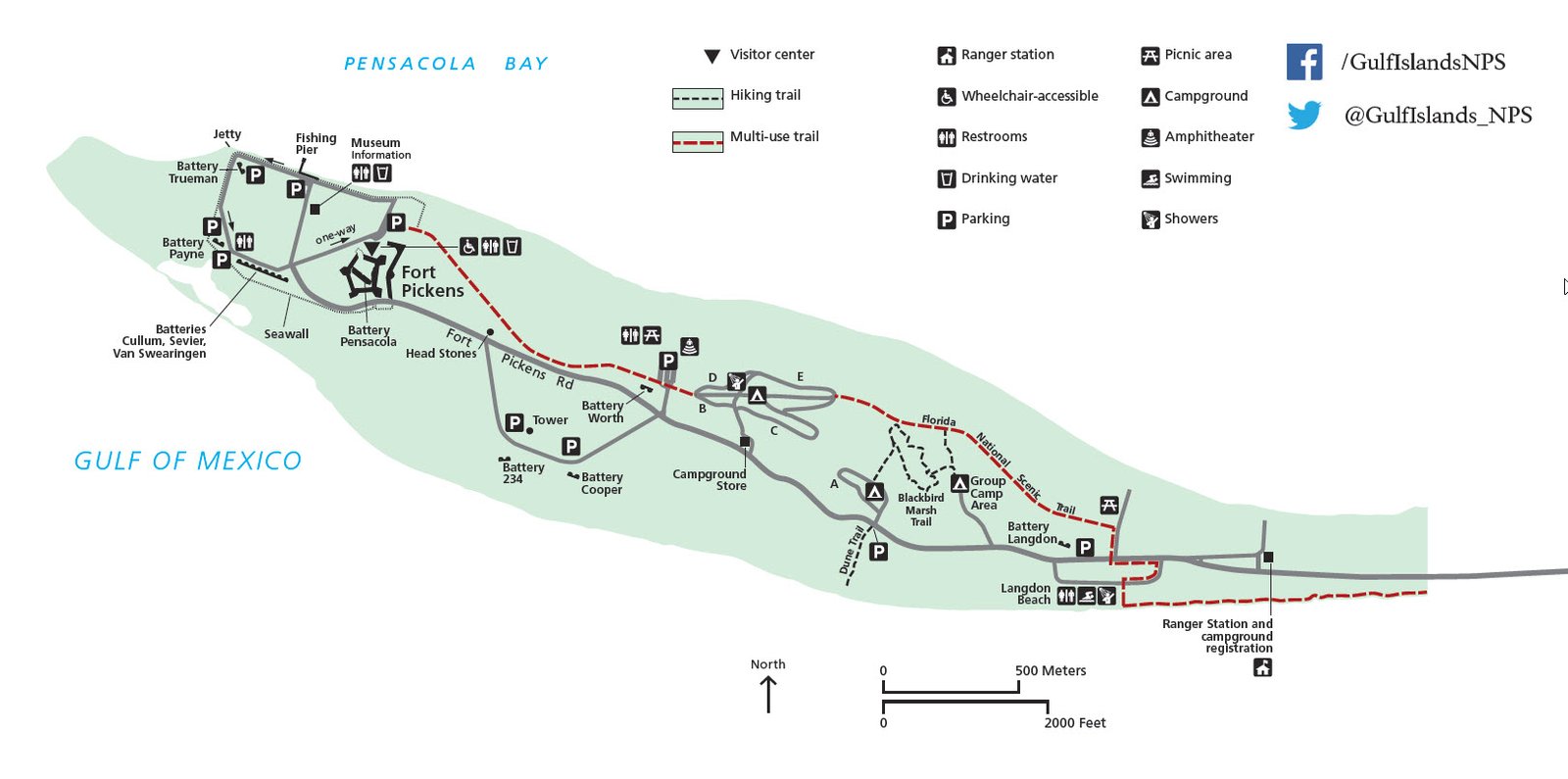
From I-10, take I-110 S to Pensacola. Take U.S. Highway 98S/FL Highway 30 over Pensacola Bay to Gulf Breeze. Follow 98 through Gulf Breeze, turn right onto FL Highway 399 to Pensacola Beach. Pay $1/vehicle at toll booth entering Pensacola Beach, then turn right at the traffic light onto Fort Pickens Road. It is about 3 miles to the park entrance station.
Maps:
Interactive Google Map
Use the map + – controls to zoom in and out, click and drag the to move the map, use the Map drop-down to change to “Map”, “Satellite”, “Hybrid”, or “Terrain” views. Drag the little man icon from the upper left corner to a map location for street level view.
Cost:
Motorcycle…………………………………………………………..$15
Private vehicle (capacity <15)…………………………………$20
Private vehicle (capacity >15)……$7 per person; up to $25
Commercial Groups
Per vehicle (capacity 7 to 25)………………………………….$40
Commercial Bus (capacity 26 or more)…………………..$100
Hours:
March 1 – October 31: 5:00 a.m. to 9:00 p.m. (last entry at 8:00 p.m.)
November 1 – February 28: 5:00 a.m. to 6:00 p.m.
Year-round:
Historic Fort: 8:00 a.m. to sunset
Bookstore & Discovery Center: 9:00 a.m. to 4:30 p.m.
Campground Registration Office: 9:00 a.m. to 4:30 p.m.
Facilities:
This large campground is open for reservations year-round. It contains 180 family sites with electric and water hookups. A group site with water hookup is also available. Amenities include flush toilets, showers, drinking water and a dump station. There are no boat ramps in the Fort Pickens area.
Links:
Location Contact Information:
Fort Pickens Photo Gallery
Click Here for full page gallery
More Photographic Destinations in Florida:
Interactive Google Map
Use the map + – controls to zoom in and out, use the Map drop-down to change to “Map”, “Satellite”, “Hybrid”, or “Terrain” views. Drag the little man icon from the upper left corner to a map location for street level view. Click on a pushpin for more information about the Photographic Destination, then click on the title to go to the location page.
Click Here for Photographic Destinations by State
This looks like a good place to Photograph Ospreys in their natural habitats. Getting good behavioural shot is an important factor in wildlife photography. Thanks for sharing with all the details.